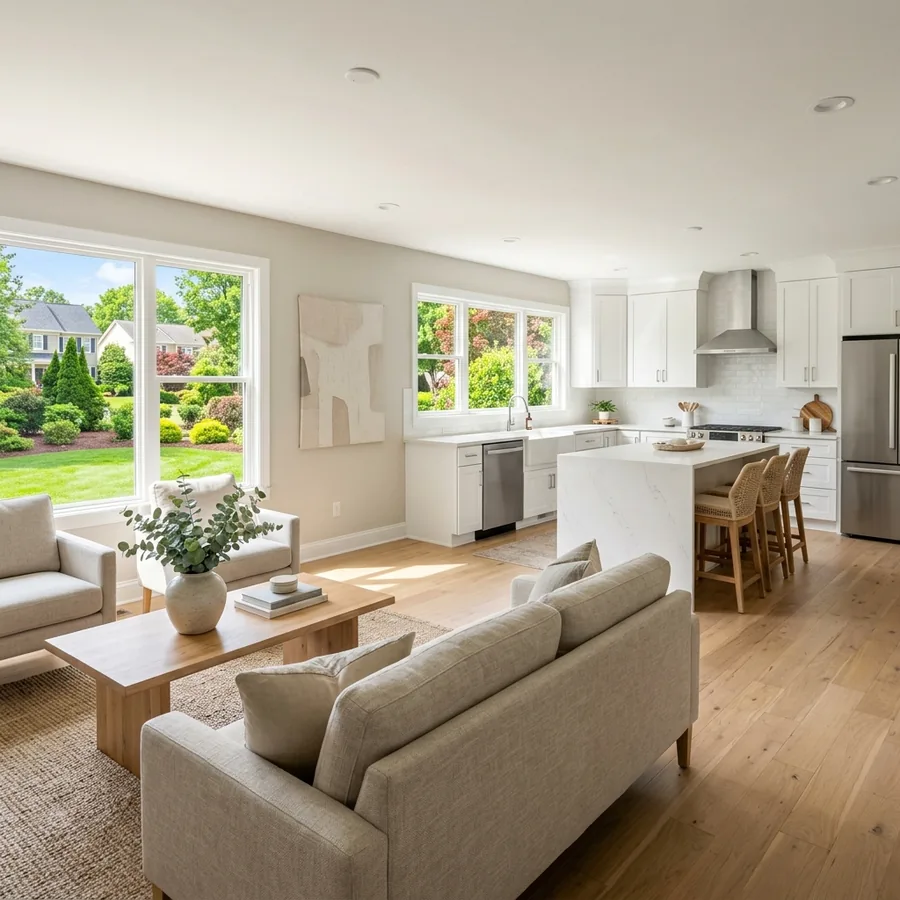
The Charlotte Seller's ROI Dilemma
When preparing to list a home in the Charlotte, North Carolina metro area—whether you are in SouthPark, Ballantyne, Plaza Midwood, or near Lake Norman—it is natural to want your property to look its absolute best. However, a common trap many sellers fall into is assuming that every dollar spent on repairs and upgrades will translate into a higher purchase price. In reality, not all repairs yield a dollar-for-dollar return. The real estate market is driven by comparable sales, meaning your home's value is heavily influenced by what similar homes in your neighborhood have recently sold for, regardless of how much you spend on custom upgrades.
In a balanced Charlotte real estate market, sellers face a distinct return on investment (ROI) dilemma. You risk over-improving your home for your specific neighborhood or fixing the wrong items entirely. There is a significant difference between strategic, cosmetic touch-ups that drive emotional offers and costly structural renovations that rarely recoup their full costs. Understanding where to allocate your pre-listing budget is the key to maximizing your net proceeds without wasting time and capital.
High-ROI Repairs Worth Every Dollar in Charlotte
If you have a limited budget for pre-listing preparations, focus on updates that universally appeal to buyers and signal that the home has been well-maintained. These high-ROI repairs consistently pay off in the Charlotte market:
Fresh Neutral Paint
A fresh coat of paint is arguably the most cost-effective improvement a seller can make. Warm whites and greige tones, such as Sherwin-Williams Agreeable Gray or Alabaster, instantly brighten spaces and provide a blank canvas for prospective buyers. This simple update yields an immediate curb-to-interior return, making rooms feel larger, cleaner, and more modern while covering up years of scuffs and wear.
Professional Deep Cleaning, Decluttering, and Staging
Charlotte buyers prioritize move-in-ready condition. Before investing in physical repairs, invest in a professional deep cleaning—including carpets, windows, and baseboards. Decluttering removes personal distractions, while light staging helps buyers visualize the property's potential. A pristine home implies that the unseen mechanical systems have been equally well cared for, building buyer confidence from the moment they walk in.
Minor Curb Appeal Enhancements
First impressions are formed before a buyer even steps through the front door. Minor curb appeal enhancements are highly effective and relatively inexpensive. Consider laying fresh dark mulch, power washing driveways and walkways, and manicuring your landscaping. Refreshing your front door with a new coat of paint or modern hardware creates an inviting entry point that sets a positive tone for the rest of the tour.
Minor Kitchen and Bath Updates
You do not need to gut a kitchen to make it appealing. Minor updates can completely transform these critical spaces without draining your bank account. Consider painting dated oak cabinets a crisp white or modern gray, replacing old brass hardware with matte black or brushed nickel pulls, updating vanity light fixtures, and re-caulking tubs and sinks to make them look brand new. According to the National Association of REALTORS® Remodeling Impact Report, minor interior updates often yield a higher percentage of cost recovery than massive overhauls, simply because they remove the immediate visual objections buyers have when touring a home.
Expensive Renovations Charlotte Sellers Should Skip
While it is tempting to fix every flaw, certain major projects simply do not make financial sense right before a sale. Avoid these expensive renovations if your primary goal is to maximize your net proceeds:
Major Kitchen Gut or Luxury Bath Overhauls
A complete kitchen or bathroom remodel is highly personalized and incredibly expensive. Data from the Remodeling Magazine Cost vs. Value Report shows that major upscale kitchen remodels typically recoup only 35% to 50% of their cost at resale in the South Atlantic region. Buyers may not share your taste in luxury finishes, meaning you will absorb the financial loss of the renovation while the buyer plans to tear it out anyway.
Installing Brand New Hardwood Floors Throughout
While buyers love hardwood floors, installing brand new premium flooring throughout the entire house is rarely a profitable pre-listing strategy. Instead, refinishing existing hardwood floors or investing in a professional deep cleaning of current flooring is far more cost-effective and still highly appealing to buyers.
Replacing Functional HVAC Systems or Roofs
If your roof is not leaking and your HVAC system is working properly, do not replace them out-of-pocket prior to listing just because they are older. Buyers will certainly note the age of these systems during their home inspection, but offering a financial allowance or addressing them during the North Carolina Due Diligence period is often smarter than spending $10,000 to $20,000 upfront. In many cases, a buyer may prefer to choose their own HVAC contractor or select their own shingle color for a new roof.
High-End Custom Features and Inground Pools
Swimming pools and highly customized features, like built-in specialized media centers or wine cellars, rarely add proportional appraisal value in the Charlotte suburbs. In fact, an inground pool can sometimes deter buyers who are worried about the associated maintenance, insurance, and safety liabilities. Leave these highly specific additions to the next homeowner.
Navigating North Carolina's Due Diligence Repair Process
In North Carolina, the home selling process features a unique Due Diligence period, governed by the standard NCREC Form 2-T (Offer to Purchase and Contract). Understanding this process is vital for sellers deciding what to repair before listing versus what to negotiate later.
The Buyer's Due Diligence Rights
During the negotiated Due Diligence period, the buyer has the right to conduct any inspections, appraisals, and property investigations they choose. If they discover issues, they can submit a Form 310-T (Due Diligence Request and Agreement) to ask the seller for repairs or financial concessions. Because the buyer can walk away for any reason during this period—forfeiting their Due Diligence fee but retaining their Earnest Money—sellers must be prepared to negotiate reasonably.
Repair Requests vs. Financial Credits
When a buyer requests repairs, Charlotte sellers often benefit from offering a closing cost credit (a financial concession) instead of agreeing to hire contractors. Managing repairs under tight closing deadlines is stressful, and buyers may dispute the quality of the work if it does not meet their exact standards. A financial credit allows the buyer to hire their preferred contractors after closing, removing the burden from the seller and keeping the transaction moving smoothly.
The RPOADS Disclosure Requirement
North Carolina law requires sellers to provide a Residential Property and Owners' Association Disclosure Statement (RPOADS) to prospective buyers before an offer is made. This document requires you to disclose known defects by checking "Yes", "No", or "No Representation" for various property conditions. Choosing "No Representation" is legally permissible in North Carolina and effectively shifts the burden of discovery entirely to the buyer's inspections. However, real estate brokers are still bound by law to disclose any material facts they are aware of. Honesty and transparency upfront prevent legal complications down the road.
Comparison Table & Action Plan
To help you prioritize your pre-listing budget, review the comparison table below outlining which repairs are generally worth your time and which you should skip.
| Repair / Upgrade | Estimated Cost Range | Expected ROI / Impact | Verdict |
|---|---|---|---|
| Fresh Neutral Paint | $1,500 - $4,000 | High (Immediate visual appeal) | Worth Doing |
| Professional Cleaning & Staging | $300 - $2,500 | High (Drives faster offers) | Worth Doing |
| Minor Kitchen/Bath Updates | $500 - $3,000 | Moderate to High | Worth Doing |
| Major Upscale Kitchen Gut | $80,000 - $150,000+ | Low (Recoups 35-50%) | Skip |
| Replacing Functional HVAC/Roof | $8,000 - $20,000+ | Low (Better to offer credits) | Skip |
| Adding an Inground Pool | $50,000 - $100,000+ | Low (Can deter some buyers) | Skip |
Every home is unique, and the right strategy depends on your property's specific condition and your neighborhood's comparable sales. Before you spend a dime on renovations, request a pre-listing Charlotte home evaluation and net proceeds estimate. A professional assessment will help you determine exactly which repairs make sense for your specific property, ensuring you maximize your return on investment without wasting time or money.
Sources and Further Reading
- JLC Online: Cost vs. Value Report 2024
- NCREC: North Carolina Real Estate Commission
- National Association of REALTORS: Remodeling Impact Report
Frequently Asked Questions
No, you do not need to fix everything. Focus on high-ROI cosmetic updates like fresh paint, deep cleaning, and landscaping. Major structural items or aging mechanical systems can often be negotiated during the buyer's due diligence period using repair credits, saving you upfront out-of-pocket costs.
Form 310-T is a standard North Carolina real estate document used by buyers to request specific repairs or financial credits from the seller after conducting their home inspections during the negotiated due diligence period.
Offering a closing cost credit is often better for sellers. It avoids the stress of managing contractors on a tight timeline before closing and allows the buyer to choose their own professionals to complete the work to their exact standards after they take possession of the home.